Cultural Tapestry of Farewell: Traditions, Community, and Honor in Indian Farewell Rites
Wiki Article
Within the vibrant subcontinental heritage of India, cultural practices surrounding the final farewell of a community member reflect a deep commitment to social solidarity. From rural villages to major cultural hubs, the rites dedicated to paying final respects demonstrate unmatched grace, historical roots, and mutual support. Moving beyond individual grief, these practices establish a lasting connection, fostering hospitality, deepening community ties, and upholding generational respect. The immediate hours following a person's passing are observed with attentive care and respect. Family members gather to perform traditional preparation rituals preserved within family lines. The individual is wrapped in pristine ceremonial textiles tailored to regional heritage and personal status. White garments are most frequently chosen, representing equality, calm reverence, and timeless grace. In other regional communities, garments with decorative embroidery or regional dyes are selected to celebrate an elder's wisdom and societal contributions. Fragrant floral arrangements play an irreplaceable role within these home observances. Artistically woven wreaths of sweet jasmine, brilliant marigolds, and fresh roses are layered gracefully upon the resting platform. These floral decorations are far more than aesthetic adornments; they represent the vibrant beauty of life and the honor bestowed by the family. The gentle application of aromatic sandalwood paste, natural rosewater, and traditional herbal essences further highlights the aesthetic elegance and loving care embedded within the home-based preparations. One of the most visually striking and culturally significant aspects of these traditional farewells is the solemn walk of honor from the household to the local ceremonial grounds. Known across various regions as a procession of honor, this communal journey unites the broader neighborhood in mutual support. Fellow villagers and urban neighbors join together along the entry paths, wearing simple white traditional attire to demonstrate solidarity and visual harmony. The rested individual is borne on a handmade platform crafted from sturdy local bamboo, decorated with fresh foliage and bright flowers. As the procession moves through the streets, neighbors exchange places to help carry the bamboo litter. Sharing this physical task stands as a powerful symbol of social unity, showing that the entire neighborhood shares the family's burden. In many regions, the gentle chiming of bells and melodic flutes accompanies the procession, creating a rhythmic and dignified atmosphere that honors the individual's legacy within the public sphere. India's immense cultural diversity manifests clearly within the distinct farewell practices found across states and communities. Even as mutual respect and community participation stay identical throughout, the outward ceremonial forms adapt uniquely from north to south, and east to west. Once the initial rites conclude, subcontinental tradition observes a dedicated period of domestic hosting, generally spanning ten to thirteen days. During this timeframe, the household remains open as a hospitality space for visiting friends, distant relatives, and community members who arrive to offer support, food, and companionship. Serving visitors during these days is a cherished cultural duty. Freshly cooked vegetarian meals are made each day to serve all guests who arrive to honor the family. This practice of joint dining creates strong emotional bonds, provides an opportunity to recount cherished personal stories, while guaranteeing that the family receives active help and daily supplies from neighbors. The final day of the memorial period is marked by a large-scale community feast and memorial gathering. Family elders share stories of the individual's achievements, wisdom, and character traits, ensuring that their oral history is transmitted to younger generations. Selfless acts of service—including gifting garments to neighbors, funding local schools, or providing meals to the needy—are carried out to celebrate the person's legacy, reinforcing the value of community service and social responsibility.
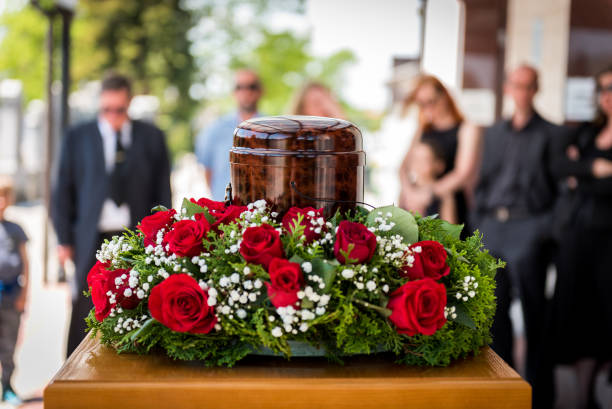
Swarga Vatika Crematory Hyderabad Families across India handle these dignified moments through a harmonious mix of joint effort and refined etiquette. Across both historic towns and modern neighborhoods, the arrival of extended family and supportive neighbors underpins every step of the cultural farewell. These observances provide a structured cultural framework where loved ones share comfort, honor lived memories, and preserve personal accomplishments.
The Aesthetics of Preparation and Family Devotion
Processions of Honor: Community Unity
Aspect
Traditional Medium
Community Role
Clothing
Simple White Cotton Garments
Represents purity, equality, and shared grief.
Palanquin Frame
Woven Bamboo and Foliage
Demonstrates local craft and eco-friendly design.
Garlands
Native Sweet Blossoms
Expresses high regard, warmth, and artistic beauty.
Aromatics
Sandalwood Paste and Rosewater
Ensures sensory grace and natural care.
Regional Variations and Cultural Diversity
Dead Body Transportation in Pune Whether the final resting customs involve traditional earthen burials or ceremonial fire arrangements, the emphasis stays firmly placed on cultural values of returning the physical form to nature's fundamental components in a manner that honors the land and traditional environmental philosophy.
Hospitality, Remembrance, and Social Continuity
Summary: Timeless Values of Community Honor
Dead Body Transportation in Pune The farewell traditions of India present a masterclass in community togetherness, textile art, and social respect. By transforming a moment of farewell into a dignified celebration of cultural heritage, these customs prove the enduring value of shared hospitality and tradition. By combining fragrant floral arts, dignified processions, local customs, and charitable giving, this heritage celebrates the completed life of every member while building stronger, more united neighborhoods for the future.